Healing Properties of Apatite
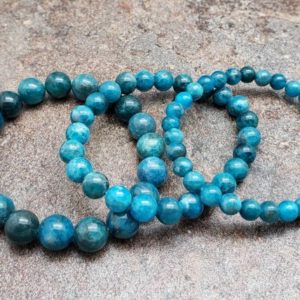
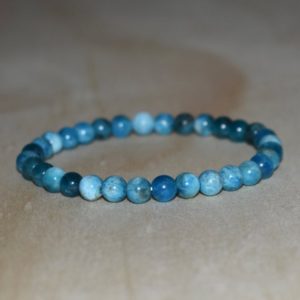
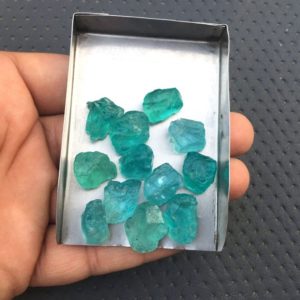
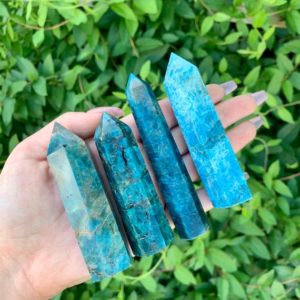
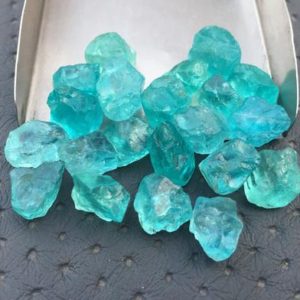
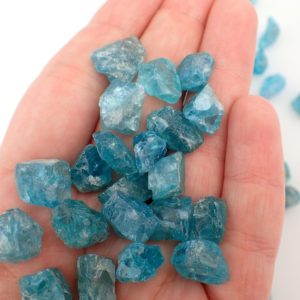
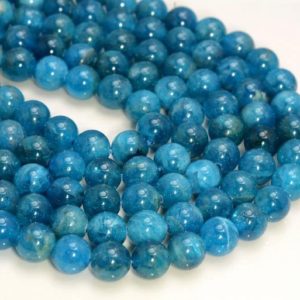
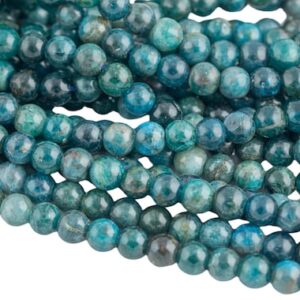
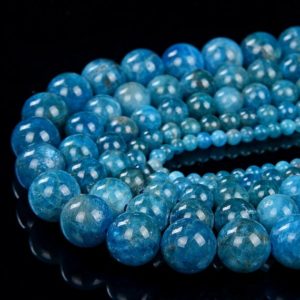
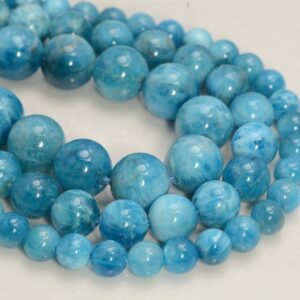
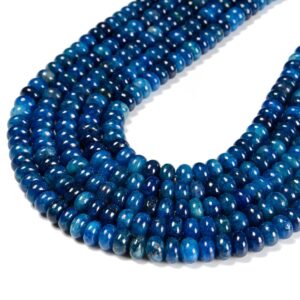
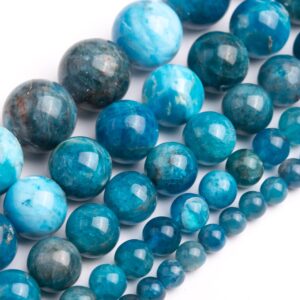
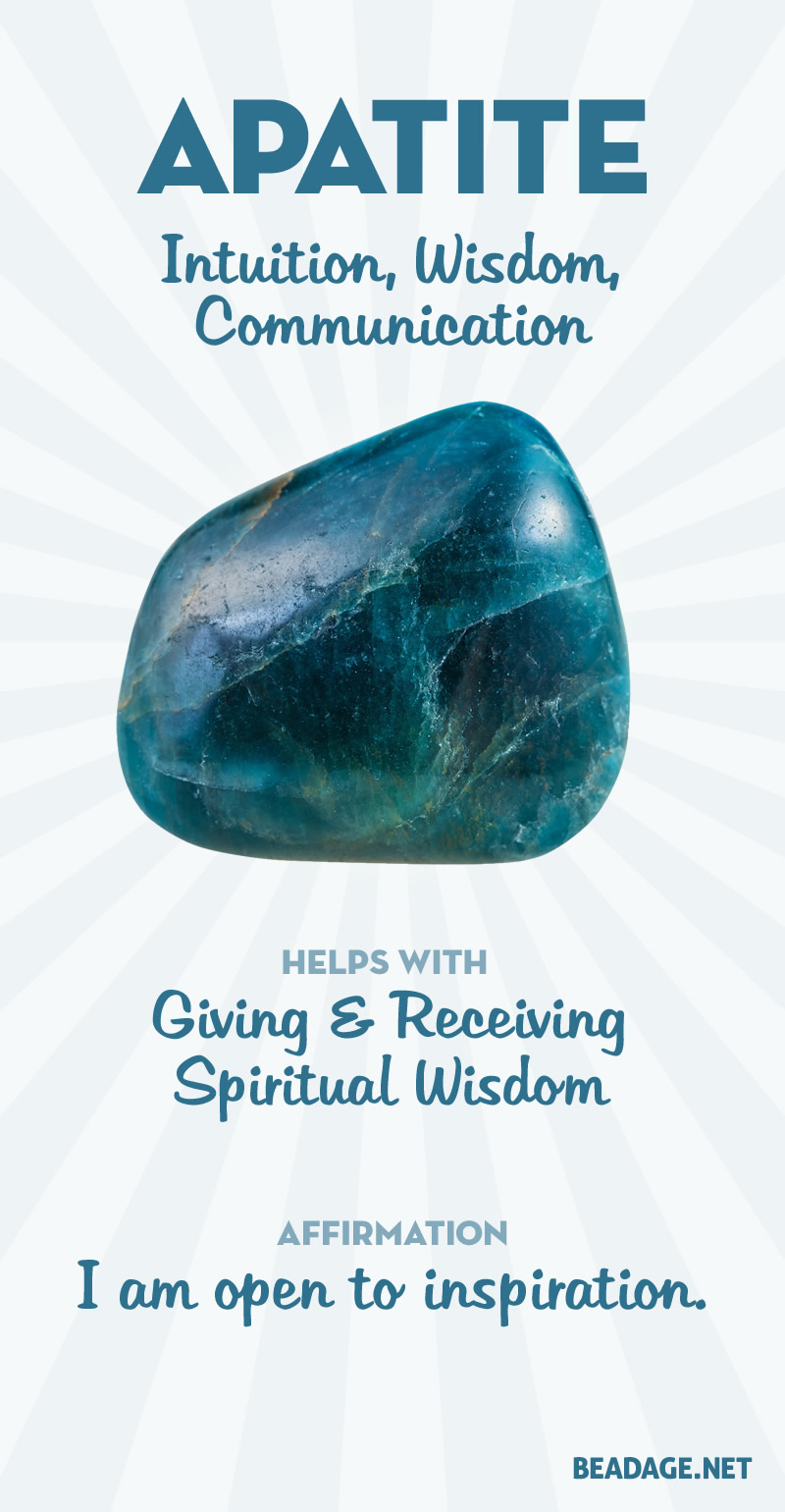
Green apatite helps sooth the nervous system and maintain inner balance. Blue apatite enhances psychic awareness and opens the mind to insight and inspiration.
Apatite as a Gemstone
About the Stone
Apatite is not a well known gemstone, and actually has more uses outside the field of jewelry. Apatite is a soft stone, and can be very brittle.
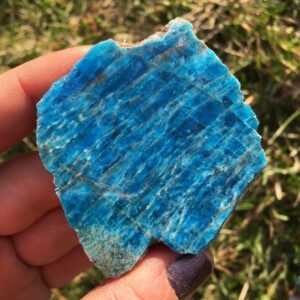
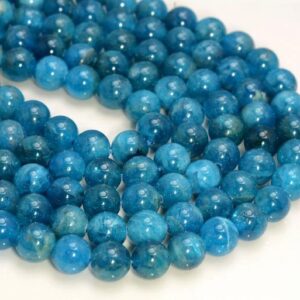
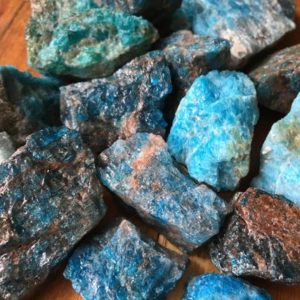
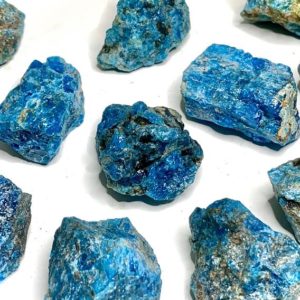
Apatite is a mineral that sits at a five on the Mohs Scale. Most commonly seen in green tones, it can also bee found in yellows, pinks, browns, violets, and blues. Apatite crystals typically grow in hexagonal (six sided) shapes.
The name apatite is derived from Greek meaning “to deceive” likely because it was often mistaken for other, more valuable gemstones, like peridot, tourmaline, and emerald. Apatite is found in igneous, sedimentary, and metamorphic rock, but only the latter grows larger crystals suitable for jewelry.
Apatite is found in many different parts of the world: Eastern Canada, Germany, India, Madagascar, Brazil, Burma, Mexico, Czechoslovakia, Mozambique, Norway, South Africa, Spain, Sri Lanka, and the United States.
Apatite in Jewelry
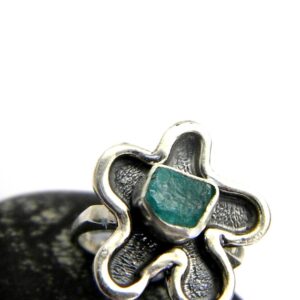
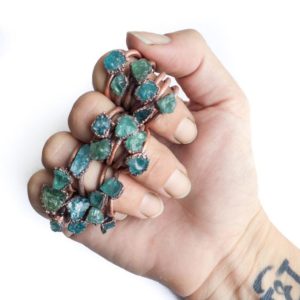
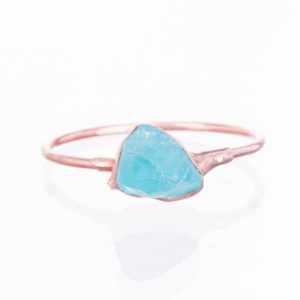
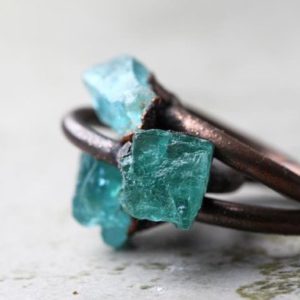
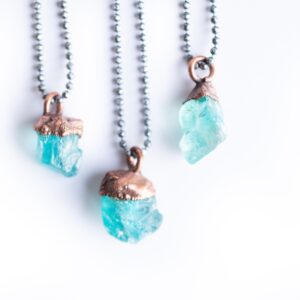
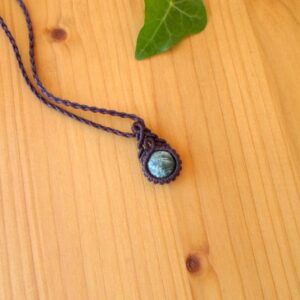
Because apatite is so soft, a lot of people will lean away from putting apatite in jewelry. However, if a setting is carefully chosen, it can result in a beautiful piece. When shopping for apatite, remember that the more intense the color, the more it is worth.
Uses: Anger & Stress Relief, Creativity & Inspiration, Intuition & Psychic Abilities, Purification, Relaxation, VisioningColor: Blue Gemstones, Blue Green Gemstones