Healing Properties of Topaz
Learn the meaning of Topaz, properties and uses of Topaz.
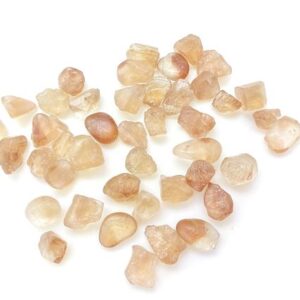
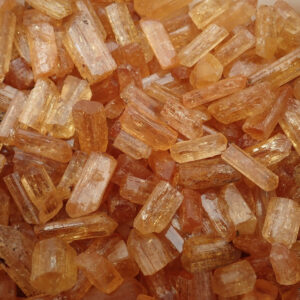
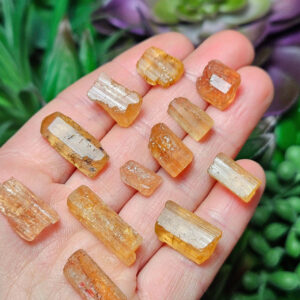
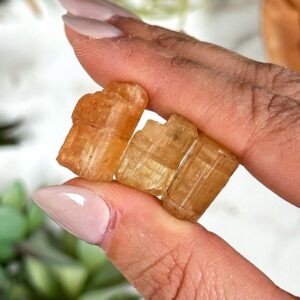
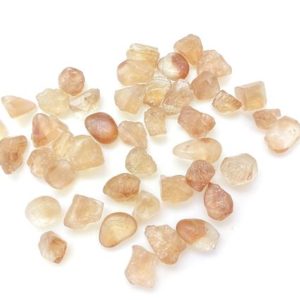
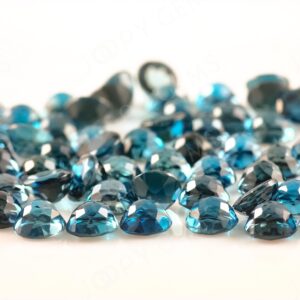
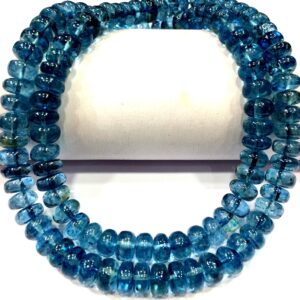
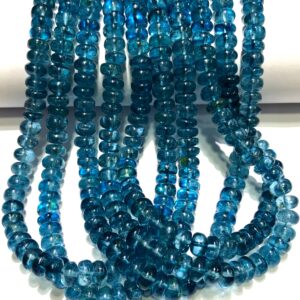
Topaz comes in many colors which have different but related properties. White/clear topaz acts as a magnifier, helping you manifest what you focus on. Golden topaz also helps in manifestation, but more slowly and with more emphasis on connecting and accepting your life path. Blue topaz is a magnifier for psychic abilities.
Topaz As a Gemstone
About the Stone
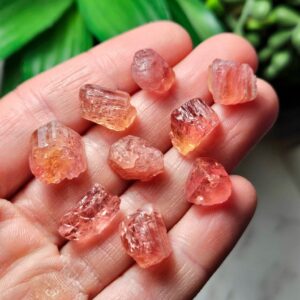
Topaz is a hard stone, an eight on the Mohs Scale of Hardness. It can be found in many colors, including red, orange, peach, pink, gold, yellow, blue, brown, green, white, and clear. There are many techniques used to alter the color of topaz as well (more on this below). Most commercial topaz comes from Brazil, but it is also found in Sri Lanka, India, Russia, U.S., Canada, Mexico, Italy, Japan, and many other places around the world.
Topaz is associated with the astrological sign Sagittarius, and is the birthstones for November (yellow topaz and citrine). Blue topaz is a birthstone for December, and pure topaz (clear/white) is often used in place of diamond, the birthstones for April.
Topaz is also the anniversary stone for the fourth, nineteenth, and twenty third years of marriage. The word topaz means fire in Sanskrit. Because of its hardness, topaz is usually faceted before setting it into jewelry.
Altered Topaz
Topaz is a stone that is often altered, creating colors not found naturally, or enhancing natural colors to be more vibrant. For example, blue topaz is often irradiated to enhance the color. Topaz is also exposed to titanium vapors, creating mystic topaz. These techniques, and others, have allowed for a whole new generation of topaz stones to emerge, and have allowed mainstream customers to purchase these beautiful stones.
Uses: Manifesting, PurposeColor: Yellow Gemstones